


Pulse Oximeter Market Overview:
The global pulse oximeter market is expected to grow at a compound annual growth rate (CAGR) of approximately 7% during the forecast period. This growth is primarily driven by the rising incidence of respiratory disorders like COPD and asthma, the increasing demand for remote patient monitoring, and the expansion of wearable and connected health technologies. Additionally, the growing elderly population with chronic conditions and ongoing technological advancements are further supporting market growth. However, the high cost of advanced pulse oximeter devices could potentially limit the market’s expansion.
Download Sample PDF Copy: https://meditechinsights.com/pulse-oximeter-market/request-sample/
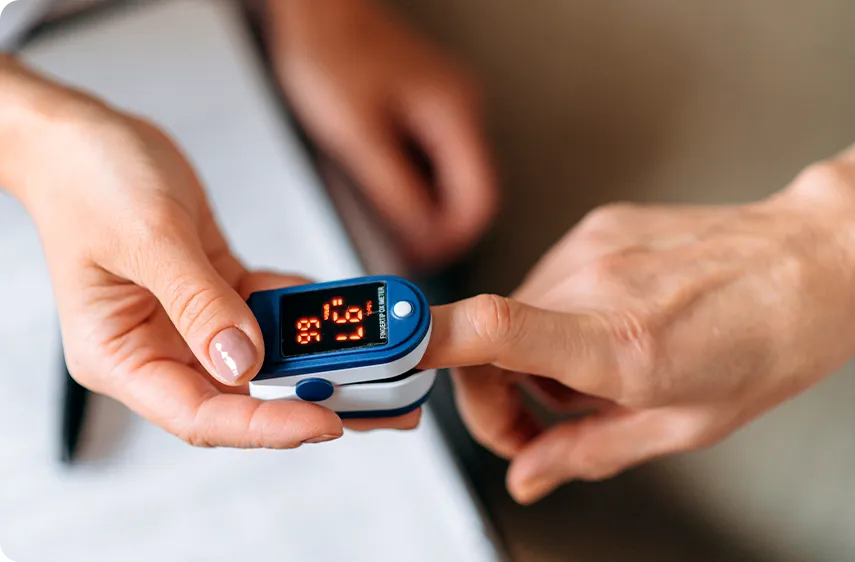
A pulse oximeter is a non-invasive device that measures a person’s blood oxygen saturation level (SpO₂) and pulse rate. It works by emitting light through a fingertip, earlobe, or toe, then measuring how much light is absorbed by oxygenated versus deoxygenated blood. Pulse oximeters are commonly used in hospitals, clinics, ambulances, and increasingly in home healthcare settings. They are crucial for monitoring patients with respiratory or cardiovascular conditions such as COPD, asthma, pneumonia, and heart failure, as well as during surgeries, in intensive care units (ICUs), and for sleep apnea assessments. During the COVID-19 pandemic, pulse oximeters gained prominence for detecting “silent hypoxia” in infected individuals before symptoms became apparent.
There are various types of pulse oximeters, including fingertip models typically used at home for quick checks, handheld devices for more detailed readings in clinical settings, tabletop units found in hospitals, and wearable versions (such as wristbands or rings) designed for continuous monitoring. Advanced models can connect to Bluetooth or cellular networks, enabling real-time remote patient monitoring. Known for their ease of use, portability, and ability to provide quick, accurate readings, pulse oximeters have become an essential tool in both preventive and emergency healthcare.
Competitive Landscape Analysis
The global pulse oximeter market is marked by the presence of established and emerging market players such as Medtronic plc; Koninklijke Philips N.V.; Masimo Corporation; Nonin Medical, Inc.; GE Healthcare Technologies Inc.; ICU Medical, Inc.; Nihon Kohden Corporation; Dragerwerk AG & Co. KGaA; OSI Systems Inc.; and Contec Medical Systems Co, Ltd.; among others. Some of the key strategies adopted by market players include new product development, strategic partnerships and collaborations, and geographic expansion.
Rising Respiratory Burden Increases Demand for Continuous Oxygen Monitoring
With the growing environmental pollution, urbanization, and an aging population, the global healthcare system is facing an escalating need for reliable and continuous oxygen monitoring. Pulse oximeters have emerged as a crucial tool in this regard, offering real-time tracking of blood oxygen saturation (SpO₂) without invasive procedures. The rising prevalence of chronic respiratory conditions such as chronic obstructive pulmonary disease (COPD), asthma, interstitial lung disease, and pneumonia is driving demand for these devices across hospitals, outpatient facilities, and even home healthcare settings.
According to the Centers for Disease Control and Prevention (CDC), approximately 4.2% of U.S. adults are diagnosed with COPD, emphysema, or chronic bronchitis in 2024, resulting in over 850,000 emergency department visits due to COPD. Pulse oximeters are particularly vital for detecting silent hypoxia—a dangerous drop in oxygen levels that occurs without noticeable symptoms—enabling early detection and timely intervention. These devices are becoming integral to routine care, especially for high-risk patients, as recommended by clinical guidelines and public health initiatives.
Additionally, the Institute for Health Metrics and Evaluation (IHME) reports that chronic respiratory diseases are the third leading cause of death globally, with contributing factors like smoking, air pollution, and occupational hazards. As healthcare systems increasingly focus on preventive, patient-centered care, pulse oximeters are evolving from tools used in acute care to essential devices for long-term disease management and telehealth services, driving further market growth.
Download Sample PDF Copy: https://meditechinsights.com/pulse-oximeter-market/request-sample/
Smart and Connected Pulse Oximeters Fuel Innovation in Patient Monitoring
The pulse oximeter market is undergoing a significant transformation with the rise of wireless and connected technologies, largely driven by the demand for remote patient monitoring, chronic disease management, and telehealth integration. Modern pulse oximeters no longer function as standalone devices; they now feature Bluetooth, Wi-Fi, and even cellular connectivity, enabling real-time data transmission to healthcare providers and electronic health records (EHR) systems. This connectivity allows continuous monitoring of SpO₂ levels in patients with conditions like COPD, asthma, and post-COVID complications, particularly outside of hospital environments.
By enabling rapid clinical decision-making, these connected devices help reduce hospital readmissions and support aging populations requiring long-term care. The integration of pulse oximeters with mobile health apps, wearables, and cloud-based platforms has made oxygen monitoring more accessible and convenient for both patients and healthcare professionals, further enhancing the devices’ utility in everyday healthcare settings.
Recent Developments in the Pulse Oximeter Market
Recent innovations and product launches are reshaping the pulse oximeter market, with a growing emphasis on connected, user-friendly, and clinically validated devices. As remote patient monitoring gains traction, these devices are improving accessibility for home users while ensuring reliable SpO₂ tracking for a wide range of patients. Notable developments include:
- August 2024: Prevounce Health launched the Pylo OX1-LTE, a cellular-connected pulse oximeter designed for seamless remote patient monitoring, offering real-time tracking of SpO₂ and pulse rate.
- February 2024: Masimo received FDA clearance for its MightySat Medical, an over-the-counter fingertip pulse oximeter offering hospital-grade accuracy and direct-to-consumer access without a prescription.
- November 2023: Masimo and Philips expanded their partnership, integrating the Masimo W1 medical watch into Philips’ enterprise telehealth platforms. This integration enables continuous SpO₂ and vital sign monitoring, keeping patients connected to clinicians beyond the hospital setting.
- January 2022: Smart Meter launched the iPulseOx, the first cellular-enabled pulse oximeter capable of transmitting real-time oxygen saturation and pulse data over AT&T’s secure IoT network, providing improved outcomes for patients with chronic conditions like COPD and heart disease.
These advancements highlight the growing trend toward smart, connected pulse oximeters, reflecting the broader shift in healthcare towards more personalized, accessible, and efficient monitoring of patients’ health.
Browse Full Report: https://meditechinsights.com/pulse-oximeter-market/
About Medi-Tech Insights ;
Medi-Tech Insights is a healthcare-focused business research & insights firm. Our clients include Fortune 500 companies, blue-chip investors & hyper-growth start-ups. We have completed 100+ projects in Digital Health, Healthcare IT, Medical Technology, Medical Devices & Pharma Services in the areas of market assessments, due diligence, competitive intelligence, market sizing and forecasting, pricing analysis & go-to-market strategy. Our methodology includes rigorous secondary research combined with deep-dive interviews with industry-leading CXO, VPs, and key demand/supply side decision-makers.
Contact:
Ruta Halde
Associate, Medi-Tech Insights
+32 498 86 80 79

