


The global neuroendoscopy market is expected to expand at a compound annual growth rate (CAGR) of approximately 10% during the forecast period. Key drivers of this growth include the rising incidence of neurological disorders, a growing preference for minimally invasive neurosurgeries, advancements in imaging and navigation technologies, and increased healthcare spending in emerging economies. However, challenges such as the high cost of neuroendoscopic equipment and a shortage of trained professionals continue to pose significant barriers to market growth.
Download Sample PDF: https://meditechinsights.com/neuroendoscopy-market/request-sample/
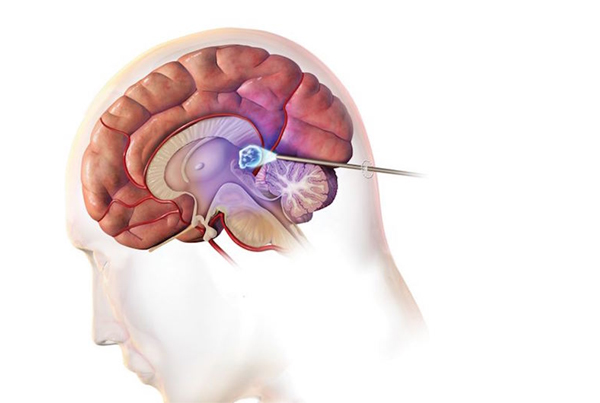
Neuroendoscopy is a minimally invasive surgical technique used to diagnose and treat conditions of the brain, spinal cord, and ventricles. During the procedure, a thin, flexible tube known as an endoscope, which is fitted with a camera and light, is inserted through small incisions to access hard-to-reach areas of the nervous system. This approach provides a safer, less invasive alternative to traditional open surgery, resulting in fewer complications, faster recovery, and shorter hospital stays. In essence, neuroendoscopy is a major advancement in neurosurgery, enabling precise diagnosis and effective treatment of complex neurological issues.
Competitive Landscape Analysis
The global neuroendoscopy market is highly competitive, with a mix of established and emerging players. Key companies include Karl Storz SE & Co. KG, B. Braun SE, Olympus Corporation, Medtronic plc, Ackermann Instrumente GmbH (SHS Capital), adeor medical AG, Stryker Corporation, Clarus Medical LLC, Machida Endoscope Co., Ltd. (Nipro Corporation), and Tonglu Wanhe Medical Instrument Co., Ltd., among others. These companies are actively advancing the field through the development of next-generation, flexible neuroendoscopic systems, integration of navigation and imaging technologies, expansion into emerging markets, and significant investments in research and development to enhance the safety and effectiveness of minimally invasive neurosurgical procedures. Their efforts are aimed at improving patient outcomes and solidifying their position in this rapidly evolving market.
Minimally Invasive Neuroendoscopy Gains Momentum Amid Growing Neurological Disorders
As neurological conditions continue to rise globally, neuroendoscopy is gaining recognition as a minimally invasive option for treating complex brain disorders. According to a 2024 report by the World Health Organization (WHO), over 3 billion people worldwide are affected by neurological diseases. These conditions have become one of the leading causes of death, underscoring the urgent need for advanced, precise, and less invasive surgical solutions.
Rising cases of pediatric hydrocephalus, age-related brain tumors, and complex cystic lesions are pushing healthcare systems to adopt less invasive approaches. Many of these disorders involve surgical intervention in delicate, hard-to-reach areas of the brain, where neuroendoscopy offers a safer, more accurate alternative to traditional open brain surgery. By minimizing tissue damage and reducing the risk of postoperative complications, neuroendoscopy is becoming an increasingly preferred choice for treating these complex neurological conditions.
As the global burden of neurological disorders continues to grow, healthcare systems are embracing more efficient and precise surgical methods. Neuroendoscopy is emerging as a key tool in modern neurosurgery, offering improved patient outcomes and transforming the way complex brain conditions are treated.
The neuroendoscopy market refers to the medical devices and procedures used for minimally invasive surgery (MIS) in the brain and spinal cord. These techniques are typically employed for diagnosing and treating neurological conditions such as brain tumors, cerebrovascular diseases, spinal disorders, and hydrocephalus. The market has been expanding due to advances in technology, increasing demand for minimally invasive procedures, and rising awareness of neuroendoscopic techniques.
Market Size and Growth
As of the most recent data (2023), the neuroendoscopy market is expected to continue its steady growth. The market size is projected to reach USD 800 million to 1.1 billion by 2027, with a CAGR (Compound Annual Growth Rate) of around 6-8% from 2023 to 2027.
Download Sample PDF: https://meditechinsights.com/neuroendoscopy-market/request-sample/
Key Drivers of Market Growth
Rising Incidence of Neurological Disorders:
The increasing prevalence of neurological diseases like brain tumors, cerebrovascular diseases, and spinal disorders is a significant driver for the neuroendoscopy market. According to the World Health Organization (WHO), neurological conditions are among the leading causes of disability globally, which boosts the demand for advanced surgical techniques, including neuroendoscopy.
Preference for Minimally Invasive Procedures:
There is a growing shift toward minimally invasive surgical techniques due to their lower risk, shorter recovery times, and reduced hospital stays compared to traditional open surgery. Neuroendoscopy, being minimally invasive, offers benefits like smaller incisions, better visualization of the surgical site, and quicker post-operative recovery.
Technological Advancements:
The development of high-definition cameras, 3D imaging, and better light sources has enhanced the effectiveness of neuroendoscopy procedures. Newer instruments and tools for accessing the brain and spinal cord with precision have made these surgeries more successful and less traumatic for patients.
Increased Healthcare Expenditure:
As healthcare spending increases, particularly in developed countries, hospitals and medical centers are investing more in advanced surgical tools and technologies, including neuroendoscopy equipment. This trend is reflected in government healthcare policies that focus on improving healthcare access and treatment for neurological diseases.
Growing Awareness and Acceptance:
With growing awareness about the benefits of neuroendoscopy among patients and healthcare providers, more individuals are opting for these procedures. There is also increased acceptance in the medical community regarding the advantages of neuroendoscopic techniques for treating a variety of conditions like brain tumors, hydrocephalus, and spine disorders.
Improvement in Training and Skill Development:
The availability of specialized training programs for neuroendoscopy has contributed to the growing adoption of this technology. As more surgeons and clinicians get trained in neuroendoscopic procedures, the demand for these services rises.
Aging Population:
The global aging population is another important factor driving the neuroendoscopy market. As people age, they become more susceptible to neurological disorders, thereby increasing the need for effective diagnostic and treatment options like neuroendoscopy.
Market Segmentation
The neuroendoscopy market can be segmented into the following categories:
- By Product Type:
- Rigid Neuroendoscopes
- Flexible Neuroendoscopes
- Accessories (light sources, video systems, etc.)
- By Application:
- Brain Surgery
- Spinal Surgery
- Endonasal Procedures
- Endoscopic Neurosurgery for Tumors, Hydrocephalus, etc.
- By End User:
- Hospitals
- Ambulatory Surgical Centers
- Diagnostic Laboratories
- Specialty Clinics
- By Region:
- North America
- Europe
- Asia Pacific
- Latin America
- Middle East & Africa
Challenges in the Market
While the neuroendoscopy market is experiencing growth, there are a few challenges to address:
High Initial Costs:
Neuroendoscopic equipment can be costly, which may hinder widespread adoption, especially in low-resource settings or developing countries.
Technical Skill Requirements:
Although neuroendoscopy offers many benefits, it requires specialized training and expertise. The learning curve for surgeons can be steep, limiting adoption in regions with a shortage of trained specialists.
Regulatory Hurdles:
The approval and regulatory pathways for medical devices vary by region, which can slow the time it takes for new neuroendoscopic technologies to reach the market.
Limited Reimbursement in Certain Regions:
In some markets, the reimbursement policies for neuroendoscopic surgeries may not be as favorable as for traditional surgical methods, which can limit the financial feasibility of these procedures for both healthcare providers and patients.
Shift Toward Flexible and Transnasal Endoscopy in Minimally Invasive Neurosurgery
The shift towards flexible endoscopes and transnasal approaches is transforming the landscape of neuroendoscopic surgery. Traditionally, rigid endoscopes have been the mainstay in neurosurgery due to their high image quality and stability. However, their limited maneuverability often makes it challenging to navigate through intricate, curved, or hard-to-reach areas of the brain. To address these challenges, flexible endoscopes are increasingly being adopted, allowing surgeons to more easily and safely navigate narrow or complex brain pathways.
One of the most notable advancements in this field is the use of transnasal (endonasal) surgery, particularly for conditions such as brain tumors and pituitary adenomas. By accessing tumors through the nasal cavity, surgeons can avoid the need for external incisions, leading to less invasive procedures, improved patient outcomes, and a reduction in hospital stay. This growing preference for minimally invasive techniques has spurred the development of innovative neuroendoscopic technologies. A notable example is the Neuroblade system by Clearmind Biomedical, which received FDA clearance in August 2024. This advanced device integrates key functionalities—visualization, illumination, irrigation, suction, coagulation, and powered debridement—into a single platform, offering a more streamlined and effective surgical experience.
Browse Research Report: https://meditechinsights.com/neuroendoscopy-market/
About Medi-Tech Insights;
Medi-Tech Insights is a healthcare-focused business research & insights firm. Our clients include Fortune 500 companies, blue-chip investors & hyper-growth start-ups. We have completed 100+ projects in Digital Health, Healthcare IT, Medical Technology, Medical Devices & Pharma Services in the areas of market assessments, due diligence, competitive intelligence, market sizing and forecasting, pricing analysis & go-to-market strategy. Our methodology includes rigorous secondary research combined with deep-dive interviews with industry-leading CXO, VPs, and key demand/supply side decision-makers.
Contact:
Ruta Halde
Associate, Medi-Tech Insights
+32 498 86 80 79

