

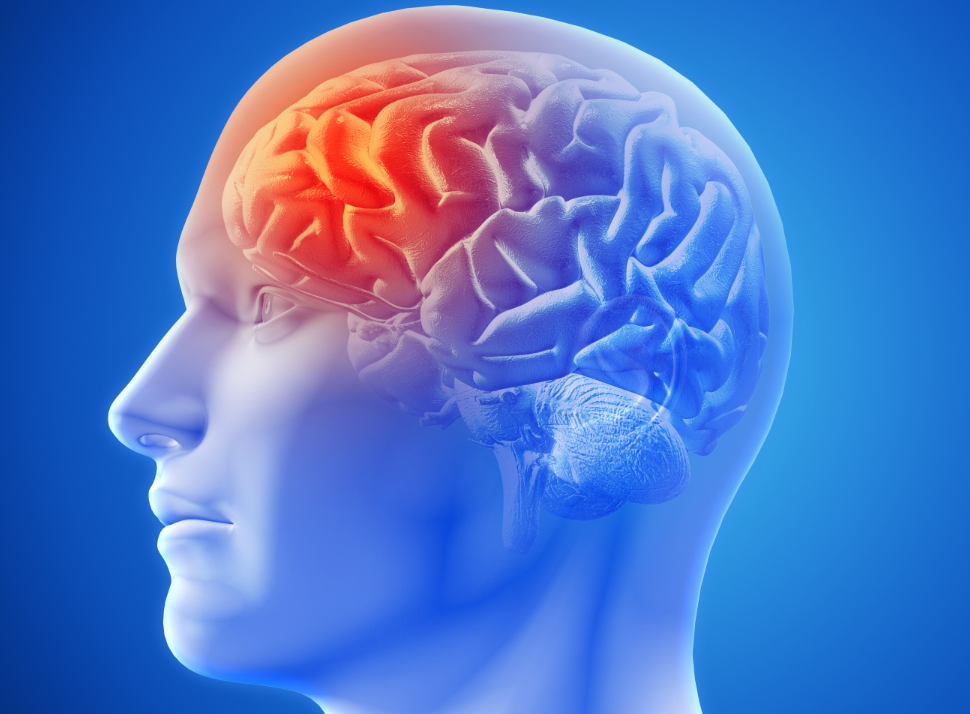

Neurodiagnostics Market Overview
The Neurodiagnostics Market is anticipated to grow at a steady rate of 7–8% between 2023 and 2028, supported by continuous innovation and rising clinical demand. The increasing global burden of neurological disorders, coupled with greater emphasis on early detection, is fueling the need for high-precision diagnostic tools.
Year-End Mega Sale: Get Up to 10% Off on All Market Research Reports!
With an accelerating shift toward personalized and patient-centric healthcare models, the adoption of advanced neurodiagnostic solutions continues to expand. Favorable reimbursement frameworks in several countries and increased healthcare spending further strengthen the market outlook, encouraging investments in modern diagnostic systems and infrastructure.
Understanding Neurodiagnostics and Its Core Technologies
Neurodiagnostics encompasses a specialized branch of medical science focused on evaluating the function, structure, and health of the nervous system. This discipline integrates a variety of diagnostic modalities designed to assess disorders of the brain, spinal cord, and peripheral nerves. These technologies play a vital role in identifying conditions early, supporting clinical decision-making, and monitoring disease progression. Key neurodiagnostic modalities include:
Electroencephalography (EEG): Measures brain electrical activity to diagnose epilepsy, sleep disorders, and neurological dysfunction.
Electromyography (EMG): Assesses muscle and nerve activity to detect neuromuscular disorders and nerve injuries.
Nerve Conduction Studies (NCS): Evaluates the speed and efficiency of signals transmitted through nerves to identify nerve damage.
Evoked Potentials (EP): Records responses from the brain and spinal cord following sensory stimulation to identify impairments in sensory pathways.
Polysomnography (PSG): Monitors multiple physiological parameters during sleep to detect disorders such as sleep apnea and parasomnias.
Transcranial Doppler Ultrasound (TCD): Uses ultrasound waves to measure cerebral blood flow, supporting the diagnosis of stroke risk and vascular abnormalities.
These diagnostic methods are essential for evaluating a broad spectrum of neurological conditions ranging from neurodegenerative diseases to acute trauma.
Market Dynamics and Growth Catalysts
The neurodiagnostics market is evolving rapidly due to several influential forces.
Technological advancements continue to enhance diagnostic accuracy, speed, and reliability, improving patient outcomes and enabling clinicians to detect disorders at earlier stages.
The rising global prevalence of neurological conditions—including epilepsy, dementia, Parkinson’s disease, neuropathies, and stroke—is driving demand for sophisticated diagnostic tools.
Growth in the aging population intensifies this trend, as older adults face higher risks of neurological impairment.
Greater awareness of brain health and early screening initiatives contributes to increased utilization of neurodiagnostic tests.
Supportive insurance and reimbursement frameworks in developed markets reduce financial barriers, increasing accessibility to advanced diagnostic procedures.
Rising investments in healthcare modernization and digital transformation further stimulate market expansion, enabling hospitals and diagnostic centers to incorporate innovative technologies.
Collectively, these factors position the neurodiagnostics market for sustained growth over the forecast period.
Transformative Trends Shaping the Neurodiagnostics Landscape
A series of emerging trends is reshaping the neurodiagnostics ecosystem, introducing new possibilities for detection, monitoring, and management of neurological disorders.
Rapid advancements in neuroimaging—including functional MRI, PET imaging, and hybrid modalities—are improving visualization of brain structure, metabolism, and functional pathways.
Increasing public awareness of neurological diseases has led to higher diagnosis rates, prompting broader adoption of screening programs.
The industry is witnessing a growing preference for minimally invasive diagnostic techniques that reduce patient discomfort and recovery time.
Remote monitoring and tele-neurology solutions are becoming integral, allowing continuous assessment of neurological conditions beyond clinical settings.
Artificial Intelligence (AI) is transforming how clinicians interpret large amounts of neurodiagnostic data by recognizing subtle patterns, enhancing diagnostic accuracy, and supporting predictive analytics.
Wearable neurodiagnostic technologies are emerging as portable and convenient tools for routine monitoring of patients with chronic neurological conditions.
Several recent innovations highlight these trends:
In November 2023, Advanced Brain Monitoring, Inc. introduced an integrated mobile wireless 24-channel EEG system connected to the Stratus EEG cloud software, enabling hospital or home-based seizure monitoring.
In November 2023, Philips launched AI-driven enhancements to its medical imaging portfolio, including next-generation ultrasound, cloud-based radiology workflow solutions, and the world’s first mobile helium-free MRI system.
These innovations signal a major shift toward accessible, intelligent, and connected neurodiagnostic systems.
Key Challenges Impacting Market Growth
Despite strong growth potential, the neurodiagnostics market faces several restraining factors.
High equipment costs limit adoption in low-income regions and smaller healthcare settings.
Reimbursement delays and variations across countries create financial uncertainty, reducing investment appetite.
Regulatory complexities and extended approval timelines pose challenges for manufacturers introducing new technologies.
Interpreting neurodiagnostic results requires specialized skills, creating dependency on highly trained professionals.
Shortages of neurodiagnostic technologists in several regions lead to workflow bottlenecks and reduced patient throughput.
Concerns regarding data accuracy and patient safety in AI-driven diagnostics also require careful validation and regulatory oversight.
Regional Insights
North America represents the largest share of the global neurodiagnostics market owing to its advanced healthcare systems, high diagnostic adoption rates, and continuous technological innovation.
Europe demonstrates strong growth driven by government initiatives focused on neurological research, improved healthcare accessibility, and strict quality standards.
Asia Pacific is emerging as one of the fastest-growing regions due to rapid healthcare infrastructure development, expanding patient population, rising disposable income, and growing awareness about neurological health.
Countries such as China, Japan, and India are becoming important hubs for neurodiagnostic investments.
Regions such as Latin America and the Middle East & Africa are experiencing steady adoption driven by improving medical facilities, government focus on neurological disease management, and expanding private healthcare sectors.
Neurodiagnostics Market: Competitive Landscape
Key players operating in the market include:
• GE Healthcare
• Siemens Healthineers
• Philips Healthcare
• Thermo Fisher Scientific
• Hitachi
• Canon Inc.
• Natus Medical Incorporated
• Lifelines Neuro Company
• Advanced Brain Monitoring
• Fujifilm Holdings Corporation
• Nihon Kohden Corporation
• Mitsar Co., Ltd.
• and others
Strategic Initiatives and Industry Developments
Market players continue to strengthen their presence through strategic moves such as acquisitions, partnerships, product launches, and technological enhancements.
In November 2023, Cleveland Clinic and Canon Inc. announced a strategic research collaboration aimed at advancing imaging and healthcare IT solutions, with research focusing on cardiology, neurology, and musculoskeletal diagnostics.
In January 2023, Natus Medical Incorporated completed its acquisition of Micromed Holding SAS, integrating Micromed’s advanced neurodiagnostic systems with Natus’ technologies to offer a broader global portfolio.
Such initiatives are expected to accelerate innovation, expand global reach, and enhance access to high-quality neurodiagnostic services.
Future Outlook
The neurodiagnostics market is expected to continue gaining momentum in the coming years, driven by rising neurological disease prevalence, growing adoption of AI-enhanced diagnostics, advancements in remote monitoring, and strong strategic collaboration among industry players. As healthcare systems increasingly prioritize early detection and precision medicine, demand for sophisticated neurodiagnostic solutions is expected to rise significantly.
Key Request a free sample copy or view report summary: https://meditechinsights.com/neurodiagnostics-market/request-sample/
About Medi-Tech Insights
Medi-Tech Insights is a healthcare-focused business research & insights firm. Our clients include Fortune 500 companies, blue-chip investors & hyper-growth start-ups. We have completed 100+ projects in Digital Health, Healthcare IT, Medical Technology, Medical Devices & Pharma Services in the areas of market assessments, due diligence, competitive intelligence, market sizing and forecasting, pricing analysis & go-to-market strategy. Our methodology includes rigorous secondary research combined with deep-dive interviews with industry-leading CXO, VPs, and key demand/

